

Five registration
recommendations
Richard John, chief operations officer, Realise, details five misconceptions about how we perceive the role of registration at events.
Predictions are dangerous things. Ask the Decca Records executive who said “groups of guitars are on the way out” when rejecting The Beatles (in fairness, Pye, Columbia and HMV made the same mistake.) We’ve had predictions galore since Covid on the demise – and dominance – of face to face, hybrid and virtual events.
So, where are we with event registration? I’d love to offer some definitive answers, but it’s more complex. Instead, here’s some sleight of hand and some common misconceptions about event registration.
1. Onsite registration isn’t a thing.
Well, that’s often true; almost every visitor has completed their application online, so what we call ‘Registration’ is actually the ‘Welcome’ or ‘Help’ area. So some reworking and rebranding is necessary. On the other hand, people find comfort in the familiar, psychologists constantly churn out papers about the power of ‘habits.’ Are you going to be brave enough to change that?
2. Badges and lanyards are so old-fashioned for a society that runs its life on smartphones.
It’s slow, dated and environmentally unfriendly. Who needs it? On the other hand, few of us are adept at starting random conversations with random strangers, a couple of lines of information are still the perfect solution for knowing whether to engage or avoid an approaching body.
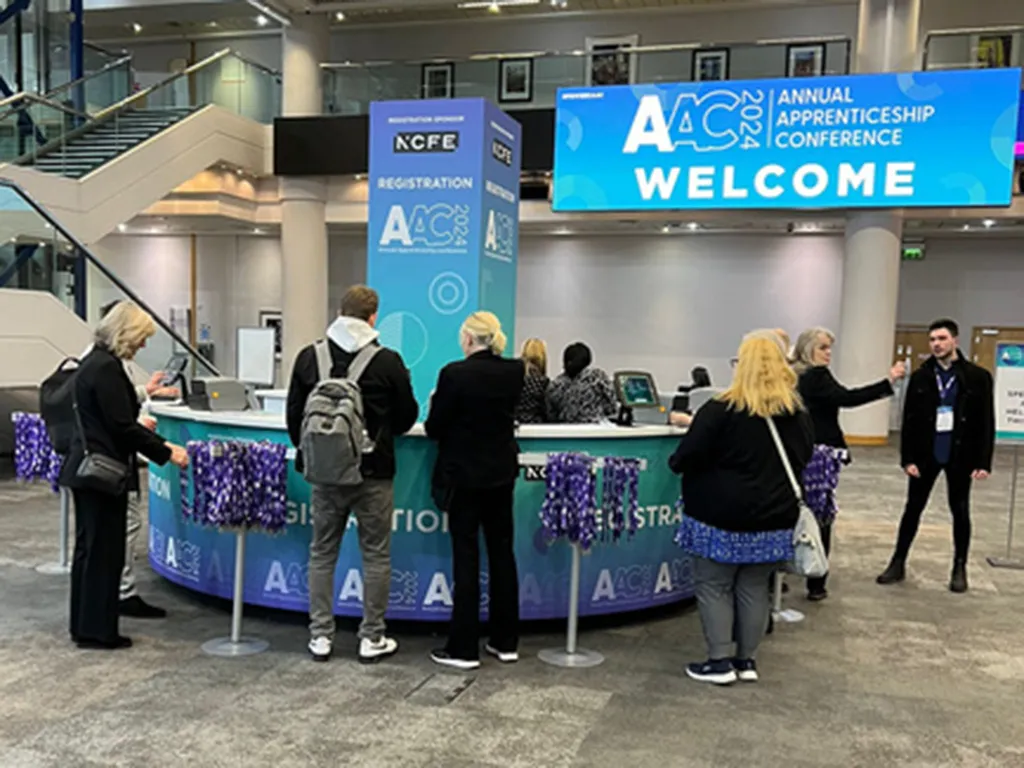
3. Some organisers believe in the essence of the human touch; ‘we must welcome anyone who comes to our event.’
It’s a fair point; but we live in a customer-centric world that ultimately means giving the consumers the decision-making power. Their choice to come to your event won’t be driven by a desire to stand in a line to get in.
4. Actually turning an application from ‘might attend’ to ‘wouldn’t miss it’ is a challenge for all organisers.
We have all embraced the idea that ‘content is king, experience is everything,’ and the need to generate FOMO with the ‘book now or else’ approach. Such techniques do work. On the other hand, the latest research suggests that time-poor professionals increasingly make attendance decisions at the last minute, or even won’t show but still need the opportunity to access some of the event’s content. The opportunities – and restrictions – in terms of availability should be made explicit in all marketing and registration communications.
5. Event data is everything.
Signing up the all-important sponsors may be dependent on the richness of the information an organiser can provide about where visitors go, what they do and with who they interact. Those are powerful commercial drivers. On the other hand, consider the irritation when visitors are constantly scanned out of, as well as into sessions or zones; of their anxiety about every movement being monitored; of their concerns over the protection of their data. Getting that balance right is essential.
Each of these five represent an opportunity for you to make changes that improve the event attendee’s experience. Start today. We at Realise are here to help.

Get in touch for your event registration strategy and delivery